
A few years back, a close friend of mine bought a brand-new Honda Civic. He was pumped — new car smell, pristine paint, the whole deal. He also skipped comprehensive insurance to “save a few thousand rupees a month.”
Three months later, someone rear-ended him at a signal in Lahore. The other driver had no insurance, no money, and honestly — no shame. My friend was left with a dented bumper, a cracked tail light, and a repair bill that wiped out six months of those “savings.”
That story still haunts me every time someone asks: “Bhai, which car insurance should I get?”
So let me break this down properly — not with boring policy language, but the way I’d explain it sitting across from you at a dhaba.
First, Let’s Clear Up What Each One Actually Covers
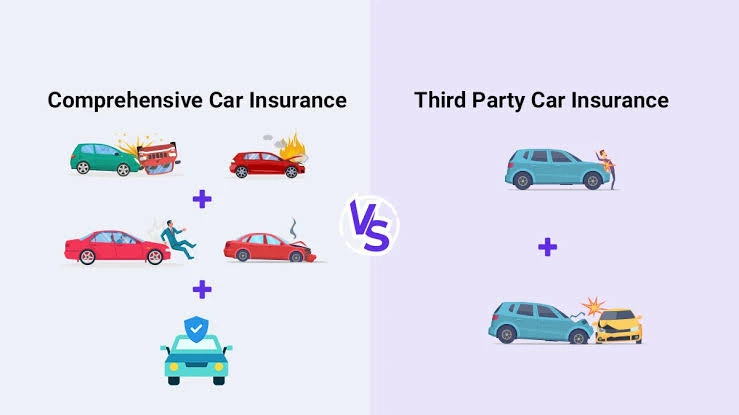
Third Party Insurance
Third party insurance covers damage or injury you cause to someone else — their car, their property, their person. That’s it. It does absolutely nothing for your own vehicle.
If you crash into another car, their repairs are covered. But your car? You’re on your own.
In Pakistan, third party motor insurance is actually legally required under the Motor Vehicles Act — though enforcement is, let’s say, flexible. Most people get it just to tick a legal box and forget about it.
Comprehensive Insurance
Comprehensive covers:
- Damage to your own vehicle (accident, fire, flood, vandalism)
- Damage or injury to third parties
- Theft of your car
- Sometimes even personal accident cover for the driver
It’s the full package. Think of it as third party with a safety net for yourself included.
The Price Gap — And Why It Misleads People
Here’s where most people go wrong. They see the premium difference — maybe Rs. 15,000–25,000 more per year for comprehensive on a mid-range car — and think, “That’s a lot of extra money.”
But flip the math.
A single door replacement on a Toyota Corolla? Easily Rs. 30,000–50,000. A windshield? Rs. 15,000+. A bumper repaint? Rs. 10,000–20,000.
One medium accident, and you’ve already lost more than two or three years of premium savings. The math rarely favors skipping comprehensive — especially if your car is newer or financed through a bank (banks almost always make comprehensive insurance mandatory anyway).
So When Does Third Party Actually Make Sense?
Okay, I’m not here to sell you comprehensive insurance like I’m on commission. Third party genuinely makes sense in specific situations:
1. Your car is old and its value is low
If your car’s market value is under Rs. 5–6 lakh, a comprehensive policy might cost you a disproportionate chunk compared to what you’d actually receive in a claim (since insurers pay market value, not replacement cost). At some point, you’re basically self-insuring the car anyway.
2. You park in a very secure area and rarely drive in heavy traffic
Less exposure = less risk. If you mostly drive on familiar roads, park in a guarded area, and rarely venture into chaotic inner-city traffic, your risk profile is lower.
3. You have solid savings set aside for emergencies
Some people can genuinely absorb a Rs. 50,000–80,000 repair bill without financial stress. If that’s you, third party might be enough. But be honest with yourself here — most of us can’t, even if we think we can.
Real Scenarios: Which Insurance Would’ve Saved the Day?
Let me walk through a few real-world situations I’ve seen or heard about directly:
Scenario 1: Parking lot scratch from an unknown car
Your car gets keyed or bumped in a mall parking lot. The other driver is long gone. Third party does nothing here. Comprehensive pays.
Scenario 2: You misjudge a narrow gali and scrape a wall
Entirely your fault, no other party involved. Third party doesn’t cover it. Comprehensive does.
Scenario 3: Flood damage during monsoon season
It happens every year in Karachi, Lahore, Islamabad. Cars get submerged. Third party won’t touch it. A good comprehensive policy covers flood and natural disasters.
Scenario 4: Someone steals your car
This one hurts the most. Third party = you lose everything. Comprehensive covers theft (subject to policy terms — always check the fine print on this one).
Scenario 5: You hit someone’s motorbike and injure the rider
This is where third party shines — and where it’s legally essential. Medical costs, vehicle damage — third party covers it. Comprehensive does too, but here they’re equal.
Common Mistakes People Make When Buying Car Insurance
I’ve seen enough insurance horror stories to fill a small book. Here are the biggest ones:
Mistake #1: Buying the cheapest policy without reading what’s excluded
Some cheap comprehensive policies exclude flood, theft from certain areas, or have a huge “own damage” excess (deductible). You pay premium for years, file a claim, and find out the payout barely covers a fraction of the damage.
Always read the exclusions list. It’s boring. Do it anyway.
Mistake #2: Insuring for the wrong value
If your car is worth Rs. 20 lakh on the market but you insure it for Rs. 15 lakh to save on premium, you’ll get Rs. 15 lakh in a total loss — not what your car is actually worth. This is called underinsurance and it bites hard.
Mistake #3: Not declaring modifications
Added a custom sound system? Tinted windows? Alloy rims? If you didn’t declare them, the insurer may not cover them. Sometimes they can void the entire claim over undisclosed modifications.
Mistake #4: Assuming renewal = same terms
Insurance companies change terms at renewal. Don’t just auto-renew without checking if the coverage or exclusions have changed.
Mistake #5: Not comparing multiple providers
In Pakistan, you can compare motor insurance through platforms like Smartchoice.pk or directly contact companies like Jubilee Insurance, EFU, Adamjee, and TPL Insurance. Premiums for the same car can vary by 20–30% between providers for similar coverage.
How to Actually Choose — A Simple Decision Framework
Here’s how I’d personally approach it:
Step 1: What’s your car’s current market value? Get an honest estimate. Check OLX or PakWheels listings for similar year and model.
Step 2: Is the car financed? If yes, comprehensive is non-negotiable — your bank will require it.
Step 3: Can you comfortably absorb a Rs. 60,000–100,000 repair bill? If the answer is no, get comprehensive.
Step 4: Get quotes from at least 3 insurers. Use Smartchoice.pk or call companies directly. Compare the premium, the sum insured, and the exclusions — not just the price.
Step 5: Check the claim settlement reputation. A cheap insurer who drags claims for 6 months is worse than a slightly pricier one who settles in 2 weeks. Ask around, check Google reviews, join local car owner Facebook groups and ask for real experiences.
A Quick Word on Claim Settlement — The Part Nobody Talks About
Even with comprehensive insurance, the claim experience can vary wildly. Some things I’ve learned:
- Always photograph everything immediately after an incident — the scene, damage, license plates, witnesses if any.
- File the claim within 24–48 hours. Many policies have a deadline.
- Don’t get the car repaired before the surveyor visits. The insurer will send a surveyor to assess damage before authorizing repairs. If you’ve already fixed it, they may reject the claim.
- Keep copies of everything — your policy document, your NIC, your driving license, and all communication with the insurer.
Some insurers now have apps or WhatsApp channels for claim filing — TPL Insurance has a reasonably decent digital process, for instance. It’s worth checking if your provider has something similar before you actually need it.
My Honest Take
If your car is less than 8–10 years old, or you park in street conditions, or you drive in cities with heavy traffic — get comprehensive. Full stop.
The peace of mind alone is worth it. I’ve driven through Lahore rush hour traffic and I can tell you — the question isn’t if something will happen, it’s when. And when it does, you’ll want to be covered.
Third party has its place — primarily for older, low-value vehicles where the math genuinely doesn’t support the premium. But for most daily drivers? It’s a false economy.
One last thing: don’t let the insurance agent just push you toward whatever gives them the highest commission. Ask questions. Understand what you’re buying. And if an agent can’t clearly explain the exclusions, that’s your cue to walk out and find someone who can.
Your car is probably one of the most expensive things you own. A few thousand rupees a year to properly protect it isn’t a cost — it’s an investment in not having a very bad week.
Have questions about your specific situation? Drop them in the comments — happy to help you think it through.



Pingback: Gap Insurance Explained: Do You Actually Need It in 2026? - MotoPolicyHub
Pingback: Car Insurance Add-Ons You Should Consider (And a Few You Can Skip) - MotoPolicyHub