
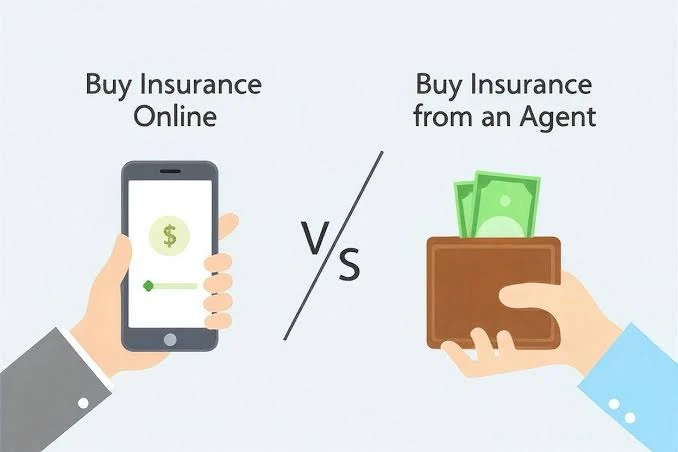
Last year, my cousin called me panicking. His policy was up for renewal and his insurer had quietly bumped his premium by almost 30% — no accident, no new ticket, nothing. He had no idea what to do. He just… paid it. Didn’t even question it.
That bothered me. Because I’d been through the exact same situation three years earlier with my own car, and I had questioned it — and ended up saving over $600 a year just by spending a couple of hours comparing quotes online.
So here’s everything I know about how to actually do this properly, including the mistakes I made the first time around.
Why Most People Never Bother (And Why That’s Expensive)
Let’s be real. Car insurance isn’t fun to think about. You set it up once, maybe let it auto-renew, and forget it exists — until something goes wrong or the bill lands and you choke on your morning coffee.
The problem is that loyalty doesn’t pay in the insurance world. Companies often give their best rates to new customers and quietly increase premiums for existing ones every year. It’s called “price walking,” and it’s incredibly common.
The good news? With the internet, comparing quotes from multiple providers takes maybe 20–30 minutes. And the savings can be hundreds of dollars a year.
Before You Start: Get Your Info Together
The first time I tried comparing quotes, I wasted a lot of time because I didn’t have basic info ready. Insurers ask for more than you’d expect.
Here’s what you’ll want handy:
- Your vehicle details — year, make, model, VIN (usually on your registration or inside the driver’s door)
- Your current mileage (approximate is fine)
- Your driving history — any accidents or tickets in the last 3–5 years
- Your current policy — coverage limits, deductibles, and what you’re paying now
- Your license number
- Everyone else on the policy — spouse, teenage driver, whoever
Having this ready means you can move fast across multiple sites and actually compare apples to apples.
The Sites Worth Using
I’ve personally used a mix of these, and they each have their strengths.
The Price Comparison Aggregators
Sites like The Zebra, NerdWallet’s insurance tool, Insurify, and Compare.com pull quotes from multiple carriers at once. You fill in your info once and get a side-by-side view. These are great for getting a quick lay of the land.
The Zebra is particularly clean and easy to navigate — I used it when I was shopping around last time and it gave me quotes from 10+ carriers in under 5 minutes. Insurify also pulls in quite a few options and shows you how your rate compares to the national average, which is a nice gut-check.
Going Direct to the Big Carriers
Here’s something the aggregators won’t tell you: they don’t always have every company. Some major insurers — like USAA (if you’re military/veteran) or certain regional companies — don’t show up on comparison sites at all.
After using a comparison site to narrow down your top 2–3 options, it’s worth going directly to those companies’ websites to get a fresh quote. Sometimes the direct quote is slightly different, and the company’s website often shows discounts the aggregator didn’t flag.
Don’t Sleep on Regional Insurers
This surprised me when I first started comparing. A regional insurer in my state consistently beat the national brands on price for my coverage level. They’re not flashy, not advertised everywhere, but their rates were noticeably lower. A comparison tool is how I found them — I never would have thought to look otherwise.
How to Actually Compare the Quotes (Don’t Just Look at Price)
This is where most people mess up. They see the lowest monthly number and click “buy.” Then something happens and they realize their coverage was a lot thinner than they thought.
Here’s how I break it down:
1. Match the coverage levels first
You can’t compare a $79/month quote with $30k property liability to a $110/month quote with $100k. They’re different products. Before comparing prices, pick the coverage level you actually want — liability limits, comprehensive, collision, uninsured motorist — and make sure every quote you’re comparing uses those same settings.
2. Check the deductible
A lower premium often just means a higher deductible. If you go with a $1,000 deductible instead of $500 to save $15/month, make sure you could actually cover that $1,000 out of pocket if needed.
3. Look at the ratings, not just the price
A cheap insurer that makes claims difficult or has poor customer service isn’t actually a good deal. I check AM Best ratings (for financial stability) and J.D. Power satisfaction scores before finalizing anything. A company rated “A” or better by AM Best isn’t going anywhere when you actually need them.
4. Dig into the discounts
This is where real money hides. Multi-policy discounts (bundling home and auto), good driver discounts, low mileage discounts, paperless billing, paying in full upfront — they add up fast. When you’re on a comparison site, actively look for a “discounts” section or ask about them when you call directly.
A Real Example of What I Found
When I did my last comparison, my renewal quote from my existing insurer was $1,340/year for my car. Here’s roughly what I found when I shopped around:
- Carrier A (via comparison site): $1,290 — same coverage, minor savings
- Carrier B (went direct): $1,105 — same coverage, added a multi-policy discount I qualified for
- Regional insurer I’d never heard of: $980 — same coverage, clean AM Best rating
I went with the regional insurer. Same coverage, $360 savings per year. Not life-changing money, but it covered three months of gas.
Mistakes I Made (So You Don’t Have To)
Mistake 1: Not adjusting to my real situation
The first time I compared quotes, I just used the default settings the comparison site filled in. But the default liability limits were way too low for what I actually needed. Always review the pre-filled numbers — don’t assume they’re right.
Mistake 2: Forgetting to check the cancellation policy
I once switched providers mid-policy and didn’t realize I’d owe a small cancellation fee on my old policy. It wasn’t huge, but it ate into my savings for that month. Read the fine print before switching.
Mistake 3: Only comparing once
I now do this every year at renewal time. Rates change. New discounts appear. My situation changes. The 20 minutes I spend comparing quotes once a year has paid off consistently.
Mistake 4: Giving my phone number to every site
Some comparison sites sell your contact info to agents who will call you nonstop. I learned to use a secondary email and, when possible, see how far I can get without entering my phone number. The Zebra is decent about this — you can get far into a quote without being bombarded.
A Few Things Worth Knowing
Shopping around doesn’t hurt your credit. Insurance quotes involve a “soft pull” at most, not a hard inquiry. You can compare as many quotes as you want without any credit impact.
The best time to shop is 3–4 weeks before your renewal date. Most insurers offer slightly better rates when you’re not in a rush, and you have time to switch without a coverage gap.
Bundling can be genuinely worthwhile. If you have renters or homeowners insurance, check what it would cost to bundle it with your auto policy under one carrier. The discount is often 10–15%, and it simplifies your billing.
Final Thoughts
Look, comparing car insurance quotes isn’t complicated — it’s just slightly tedious. But the first time you do it properly and realize you’ve been overpaying by $400 a year, you’ll wish you’d started sooner.
Start with a comparison aggregator like The Zebra or Insurify to get a landscape view. Then check a few carriers directly. Match your coverage carefully before looking at price. And don’t forget to factor in the deductible, the company’s ratings, and any discounts you qualify for.
You’re not locked in with whoever your current insurer is. The whole market is one browser tab away.


